![BISHOP PETER ABABIO MINISTRIES,, ACCRA WEIJA GBAWE – GP ADDRESS:::GS-0137-9154…[ TRIPLE K. MEDIA, BELONGS TO BISHOP DR. PETER ABABIO AND REV. SABINA NSIAH ABABIO ]..](https://bishoppeterababioministires.com/wp-content/uploads/2024/04/photo_1714148346092.png)
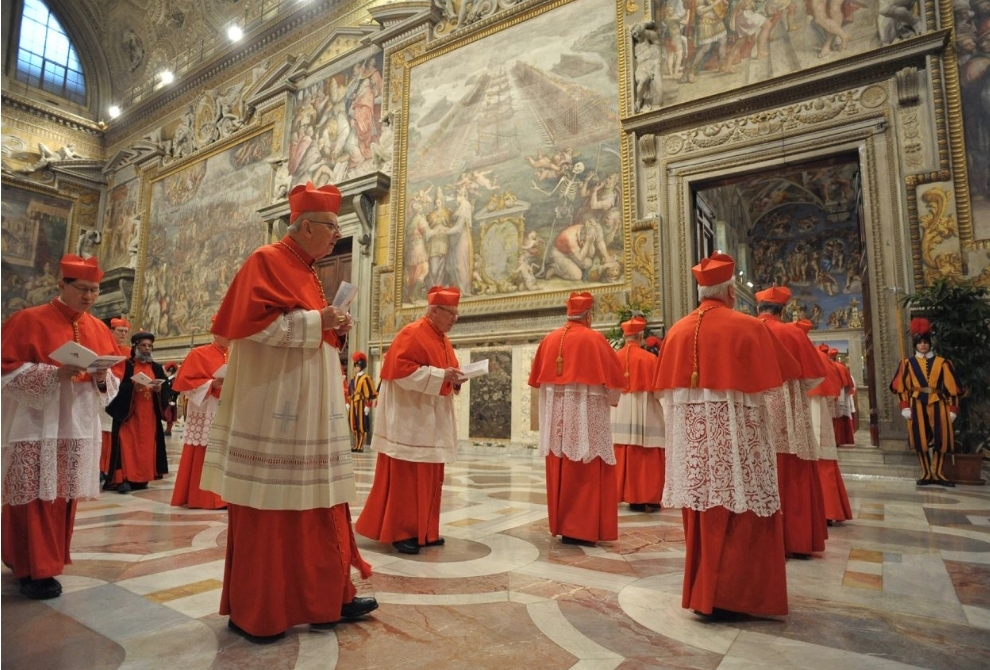

The death of Pope Francis has triggered a period of mourning in the Vatican and signals the start of a millennia-old process of picking a new pontiff.
It is a procedure steeped in tradition, but one which has been subtly updated for the modern world.
Cardinals — senior church officials appointed by the pope — from around the world must gather for the conclave in which Francis’ successor is selected. It typically takes between two and three weeks for a pope to be chosen, though it can stretch slightly beyond that if cardinals struggle to agree on a candidate.
The voting process is kept secret but will take place with the eyes of the world on the Vatican and amid intense scrutiny of the Catholic Church — an institution whose reputation has been stained by the scandal of child sex abuse within its ranks, overshadowing the legacies of successive popes.
Pope Francis dies at 88: How the days ahead will unfold
The period between pontiffs is known as the “papal interregnum,” when the church is without a spiritual leader. During this period of “sede vacante,” or “empty chair,” the church follows a clear set of rules as laid out in the apostolic constitution, Universi Dominici Gregis.

 BISHOP PETER ABABIO MINISTRIES,, ACCRA WEIJA GBAWE - GP ADDRESS:::GS-0137-9154...[ TRIPLE K. MEDIA, BELONGS TO BISHOP DR. PETER ABABIO AND REV. SABINA NSIAH ABABIO ]..
Leave a comment